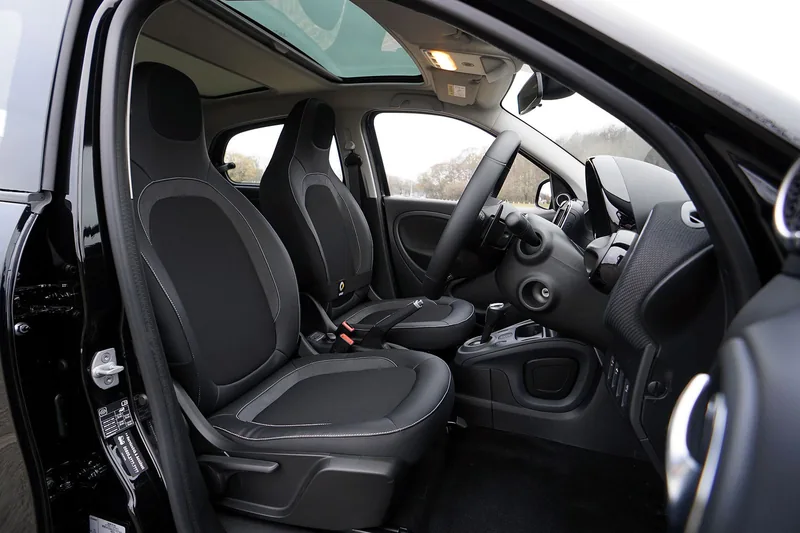
Vehicle Biohazard Cleanup
Vehicle biohazard cleanup for cars, trucks, boats and RVs.
See vehicle biohazard cleanupGet blood, bodily fluids and infectious material cleaned from police cars, ambulances and transport units in Harrah. Vehicle-specific decontamination addresses seats, floors, restraints, equipment contact points, waste, odor and air quality.
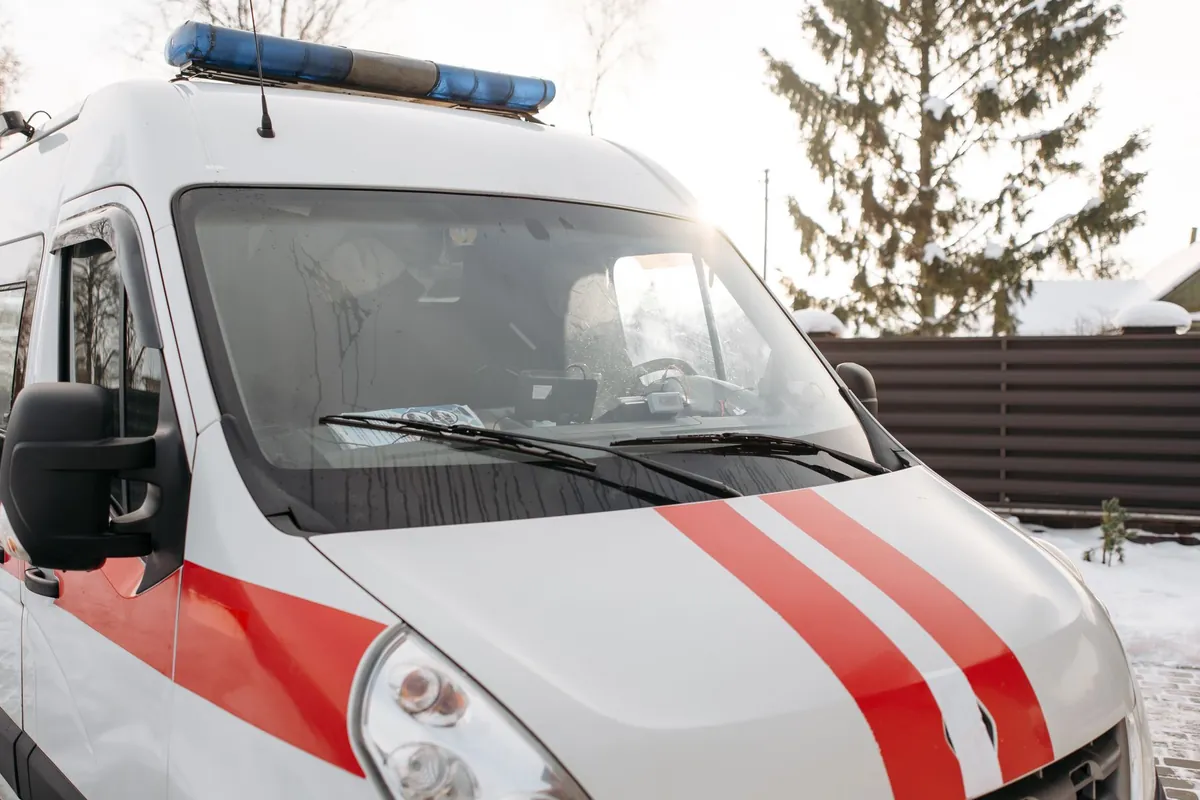
Decontaminating a police or ambulance vehicle is a controlled process for taking blood, infectious material, bodily fluids and the residue they leave out of transport units, ambulances and patrol cars. It then covers cleaning, disinfection, proper waste packaging and final inspection.
Visible staining may show only part of the affected area. As equipment is moved or someone passes through the cabin, contamination can spread into restraints, ventilation openings, seat rails, partitions, medical mounts, radios and tight seams. Those features make emergency units difficult to clean. Unlike ordinary detailing, which is concerned with appearance, biohazard remediation traces the material and checks hidden contact points as well as residue you can see.
The cleaning process begins with a vehicle-specific assessment. The right team uses trained technicians to identify cleanable hard surfaces, absorbent trim and equipment that may need special care. Contaminated materials that cannot be reached and disinfected are removed when appropriate. Remaining surfaces are cleaned before disinfectant is applied. Hazardous waste is packaged according to the rules for hazardous materials, and records can support fleet, risk and insurance files throughout the entire process.
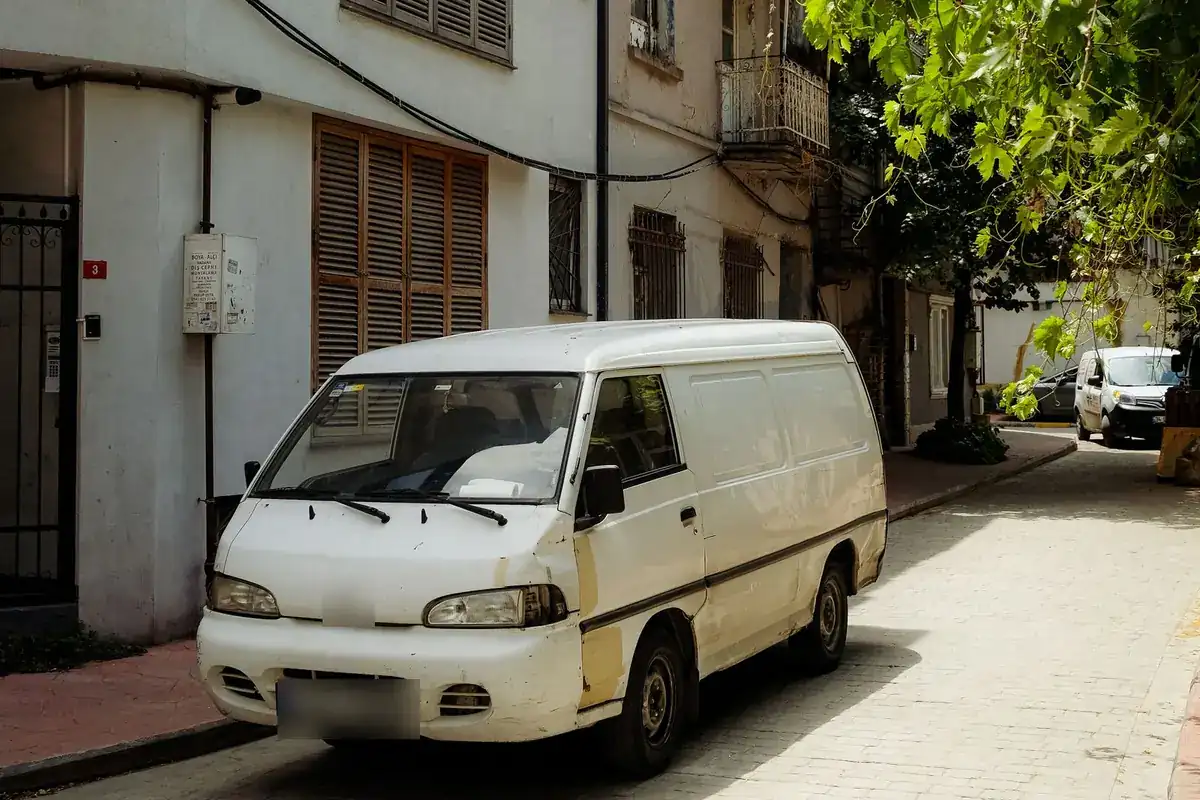
Crews use unmarked vehicles, helping you reduce attention and restrict access around a fleet yard, garage or station.
You can discuss cleanable materials, possible removal needs, affected areas and scope-changing conditions before cleanup starts.
Sensitive equipment, evidence and removable gear can be identified with your fleet contact before cleaning, movement or disposal decisions are made.
Your fleet, insurance and safety contacts can move forward using compiled photos, item notes, waste records and cleanup scope details.
A routine fleet procedure may not safely resolve every contamination event. In those cases, trained professionals can be appropriate. Specialized cleaning may be considered for the following common vehicle conditions:
Before another crew considers returning a shared response unit to service, quick isolation and a recorded cleanup scope may be necessary.
Several restraints, floor gaps and seating locations can make methodical inspection necessary in a van or transport unit.
A patrol car may need attention after an injury, illness, arrest or other event leaves biological material in the rear or front cabin.
The stretcher zone, walls, floors, cabinets and equipment used in emergency response may be affected by bodily fluids.
Your first step is to remove the unit from normal use and prevent unnecessary contact. These actions help protect personnel and preserve useful information for the cleanup plan:
Call (888) 440-9227No separate police and ambulance vehicle decontamination cost appears in the approved source file. Its nearest applicable entry is vehicle biohazard cleanup at $500 to $5,000 per job. That figure is useful only for early planning. The actual job depends on what contaminated the unit, which cabin surfaces and equipment are involved, whether material spread out of sight, the waste requirements and the work needed before an evaluation for return to service.
Published national cost guides are the source for these ranges, rather than an inspection of your property. After an on-site assessment, the price for your property is determined and shared with you before cleanup begins.
Ask about cost: (888) 440-9227The unit's responsible organization, which may be an agency, fleet owner or ambulance operator, generally arranges the work. Its contract, internal procedures and any applicable insurance coverage determine payment.
Ask the department or fleet manager where to hold the unit, which records purchasing requires and who has authority to approve cleanup.
Coverage depends on the policy and the cause of the contamination. Because record requests vary among insurance companies, confirm whether damaged parts, cleanup and associated downtime are considered.
Each fire department, ambulance operator, hospital or government agency may set its own fleet, infection control and billing process.
Keep the invoice, photographs, waste records, approved work scope, item list and incident reference in one file for fleet use and the insurance company.
Cleanup involves hazard assessment, source removal, detailed cleaning and a documented final inspection. Every step is adjusted for the cabin layout, equipment and material involved.
Technicians assess the reported event, inspect the cabin and exterior contact points, and identify visible and possible travel paths.
The unit stays out of service while the work zone is defined and protective equipment is selected for the known hazards.
Disposable coverings, absorbent trim and other material that cannot be fully reached may be removed, packaged and documented.
Visible soil is removed from compatible surfaces before disinfection because residue can keep a disinfectant from reaching the surface.
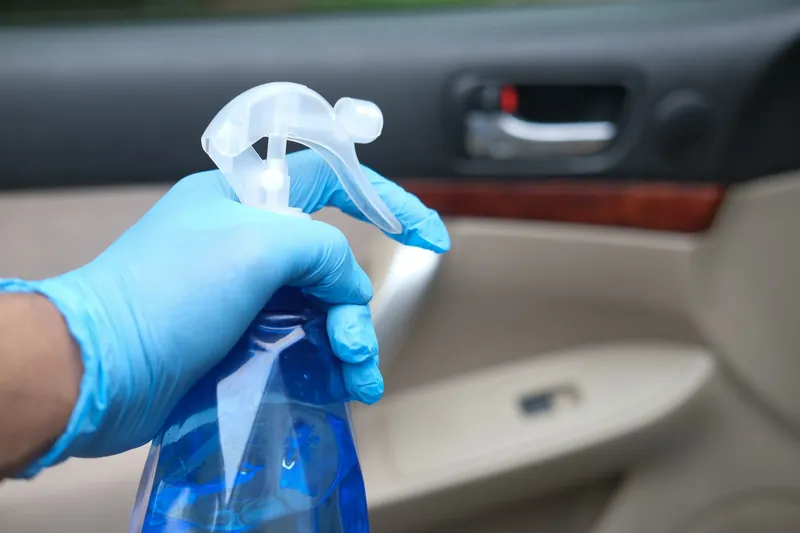
Cleanable surfaces are treated with a suitable EPA-registered disinfectant and kept wet for the contact time stated on its label.
Door controls, rails, restraints, cabinet pulls and compatible mounted equipment are addressed without damaging sensitive components.
The process includes sorting and packaging waste for its required disposal route and organizing scope notes with photos for fleet records.
The final cabin check covers remaining residue or odor and any missed contact surfaces, then findings are shared with the responsible person.
Call any hour. A police and ambulance vehicle decontamination specialist answers, explains the steps and agrees a start time with you.
Blood, some bodily fluids, sharp objects and affected cabin materials can put officers, fleet employees, medical personnel and any other person entering the unit at serious health risk.
Gloves, boots, radios, door controls and equipment can carry residue from the affected area to surrounding areas when movement is not controlled.
Exposure to blood may involve bloodborne pathogens. Because hepatitis B remains viable on surfaces for at least seven days according to the CDC, dry residue needs proper cleaning followed by disinfection.
Broken glass, needles, sharp gear and lancets can puncture skin. Never pick them up by hand or place them among regular vehicle waste.
When a small blood spill is safe to clean yourself. A fleet may have an approved procedure for a small, known spill on an intact, non-porous surface. Follow the fleet procedure with protective gear suited to the hazard, and allow the EPA-registered disinfectant to remain wet throughout the contact time on its label. When fluid enters equipment, upholstery, seams or floors, or when the source is unknown or sharps are involved, maintain isolation and get professional cleanup guidance.
Timing can be determined only after inspection of the vehicle. Cleaning a known, contained area on accessible hard surfaces is faster than addressing fluid around mounted equipment, under flooring or within a seat.
| Scene | Typical time on site |
|---|---|
| Contained surface contamination | Less time when every affected surface is accessible and the source is identified |
| Upholstery, floor or equipment involvement | More time for controlled access, selective removal, detailed cleaning and waste packaging |
| Hidden spread or replacement parts | Expect added time when reassembly depends on opening trim or installing a replacement component |
Effective odor removal begins by locating the source and taking it out. A fast spray or added fragrance might cover the smell while residue remains inside seat cushioning, beneath a floor edge or near equipment mounts. Because a warm, closed cabin can intensify an odor from material that was missed, every likely area needs a methodical check.
After source materials are gone and cleaning of the surfaces is finished, remaining particles or smells may be addressed through air treatment. Using HEPA filtration can support this work, but surface disinfection and removal of the source remain necessary. Vents, replaceable cabin filters and intake points should be evaluated if odor or the original event may have reached the airflow. Compatibility is essential for every method applied near finishes, electronics or medical equipment.
When employees might contact blood, the OSHA Bloodborne Pathogens Standard, 29 CFR 1910.1030, establishes worker training, protection and exposure control requirements.
The selected EPA-registered disinfectant needs to match both the target organism and the surface material. Follow the product label's wet-time direction to complete the required contact period.
Oklahoma treats soaked materials from a biohazard scene as regulated medical waste. Rules from the Department of Environmental Quality's Land Protection Division control how it is processed and treated, so it cannot go in household trash.
Oklahoma uses a statewide medical examiner system, with the Office of the Chief Medical Examiner investigating sudden, violent, unexpected and suspicious deaths. Cleanup starts after police or the medical examiner release the scene.
Timing can be determined only after inspection of the vehicle. Cleaning a known, contained area on accessible hard surfaces is faster than addressing fluid around mounted equipment, under flooring or within a seat.
The full police and ambulance vehicle decontamination guide covers what is cleaned or removed, odor and air quality work, and the rules that apply in your state.
Read the full police and ambulance vehicle decontamination guide
Containment, entry and cleanup plans can be influenced by local housing, population and access details.
The relatively small 24.9% rental share does not change safety needs, but it can make property decisions more direct.
The local median home dates to 1989, making a room by room material assessment more useful than one cleaning method everywhere.
With 38.7% of seniors living alone, an unattended illness or death may go unnoticed, increasing the area affected by fluids and odor.
At 77.7% single-family housing, cleanup boundaries may include attached garages, utility rooms, or storage areas beyond the main room.
You can ask about cleanup in nearby communities and ZIP codes during the call.
Vehicle biohazard cleanup for cars, trucks, boats and RVs.
See vehicle biohazard cleanup
Walls, carpets, furnishings and hard floors receive blood cleanup, with safe disposal afterward.
See blood cleanup
Blood spill cleanup addresses fresh or dried blood spills of every size.
See blood spill cleanup
Bodily fluid cleanup removes fluids and disinfects affected areas in businesses, homes and care settings.
See bodily fluid cleanup
Cleanup controls the risk of blood exposure involving HIV, hepatitis C and hepatitis B.
See bloodborne pathogen cleanup
Disinfection for infectious disease uses EPA-registered products with complete coverage of surfaces.
See infectious disease disinfection
Medical waste removal covers disposal through an approved facility used for treatment.
See medical waste removal
Biohazard waste is collected in labeled, sealed containers and taken for disposal.
See biohazard waste disposalCoverage depends on who owns the ambulance, the policy and the cause of contamination. The fleet owner can discuss cleaning, affected interior components, medical equipment and operational downtime with the insurance company or its risk representative. Keep the incident reference, photographs, scope, invoice and disposal records together because the required documentation can vary.
The safe order is to control access, assess how far the blood traveled, remove material that cannot be disinfected, clean visible soil and then apply a compatible EPA-registered disinfectant for its full label contact time. Do not overlook partitions, controls, floor edges, stitching or seat tracks. Follow the departmental exposure control plan, and never place a hand where an unseen sharp could be present.
The approved cost file has no dedicated police car entry. BioCleaners Directory is the source for the closest related vehicle biohazard cleanup range, which is $500 to $5,000 per job. Consider the range a general planning guide. The true scope becomes clear after assessing the affected area, vehicle materials, hidden travel, equipment access and disposal needs.
Dried blood should still be treated as a biohazard. The CDC states that surface survival of hepatitis B can last at least seven days. Dry appearance does not make a mark safe for uncontrolled brushing, vacuuming or wiping. Your exposure plan should guide access control and the selection of cleaning and disinfecting methods compatible with the vehicle surface.
Who may perform decontamination is a decision for the owning fleet or department. A limited event might be covered by an authorized workplace exposure procedure. Blood that reaches restraints, upholstery, floor joints or concealed spaces may call for protective equipment, vehicle-specific techniques, a documented waste procedure and help from a professional cleanup service. The unit should stay out of service until the responsible contact evaluates the result.
Removal depends on whether a part can be accessed, cleaned and disinfected without damage. Damaged trim, single-use barriers, seat fabric, foam and porous floor material may need removal if fluid reached beneath their surfaces. Intact, fully accessible affected surfaces on sealed floors, partitions, metal railings and compatible equipment may often be retained.
Crews offer discreet and respectful police and ambulance vehicle decontamination, arrive in unmarked vehicles and take calls 24 hours a day.